
Clarinda Clinic

34 Years
in Business




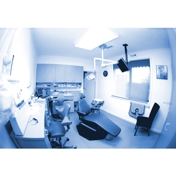





Welcome to Clarinda Clinic- we have been established for over 25 years providing optimum dental care for our local community.
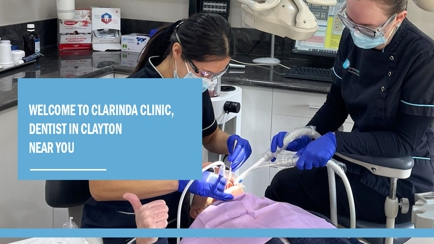
Dentist Clayton, Clarinda Clinic has been serving the local community of Clayton, Clarinda, Bentleigh and the surrounding neighbourhood for over 25 years. With a team of qualified dentists, we strive to provide an uncompromising excellence in dental care from cosmetic dentistry, general dentistry, to gum health treatment. So why not call us now to make an appointment today
Our team is highly skilled and motivated to make your experience with us comfortable. We are striving for continuous improvement at all levels of patient care. If you would like to contact our practice to discuss your dental health options, we would love to hear from you. We are happy to welcome new and existing patients to our practice: from young and old, our team looks forward to seeing you and your family soon.
Preventive Dentistry:Regular Check Ups Fissure Sealants Patient Education Night Guards (Including Anti Snoring Appliances) Mouthguards Professional Cleaning Cosmetic Dentistry:White Fillings Veneers Inlays/Onlays Crowns Bridges Implant Dentistry Orthodontics Straight Teeth No Braces (Invisalign) Teeth Whitening (In Chair And Home Whitening)
Children's Dentistry Extractions Soft Tissue Laser Therapy Root Canal Treatment Gum Therapy Dentures Emergency And Comprehensive Care Simple And Complex Restorative Dentistry Our Expertise: Our dentists are experienced in treating and supporting anxious patients by providing them with a number of relaxation options.We highly recommend that you attend regular 'continuing care' appointments to maintain your dental hygiene and dental health.
 BDSC - Dr Andrew HongBDSC - Dr Jane Snell
What is a sealant?
A sealant is a thin, plastic coating applied to the dental practice to the chewing surface of molars, premolars and any deep grooves (called pits and fissures) of your teeth. Over the last thirty years’ sealants have dramatically assisted in the fight against tooth decay.
How is acid caused?
Acids regularly consumed from common food items such as citrus fruits, vinegar or soft drinks can dissolve/erode the enamel off teeth by the washing/ bathing action. The acid causes the tooth surface to loose minerals from the surface. Acid erosion cannot be reversed however people can take steps to protect their teeth against further progression.
How can my diet contribute to dental disease?
Although sugar is an essential part of the diet, it contributes to tooth decay. It is possible to maintain healthy teeth if knowledge of dental disease is used to alter unhealthy habits.
Who should consider sealants?
Children and teenagers - as soon as the six-year molars (the first permanent back teeth) appear or anytime throughout the cavity prone years of 6-16. Adults - tooth surfaces without decay that have deep grooves or depressions.
How to prevent/control dental erosion?
Decrease intake and frequency of acidic foods/drinks e.g. soft drinks, juices, sports drinks, swallow fizzy drinks and fruit juices quickly (straw). Do not swish them around or hold them in the mouth. Avoid brushing immediately after consuming acidic food or drinks as this is when the enamel is the softest. Rinse with water or chew sugar free gum instead. Regularly drink water to prevent dehydration so that salivary flow is maintained to protect the teeth from acid.
What is dental caries?
Dental caries or decay is a common disease which causes discolouration and eventual cavitation (tooth mineral loss) of both permanent and "baby" teeth. As the disease or decay progresses, the tooth becomes weaker and eventually nerve damage or infection may result.
What is acid wear/erosion?
Dental erosion is the gradual process whereby enamel mineral is slowly lost or worn away from the tooth surface. It results in a thinned, translucent/yellowing appearance of the teeth. In fact, tooth sensitivity or fracture may result if the condition is severe. This process does not involve bacteria/dental plaque.
What happens when my saliva is inadequate?
If the saliva quality is poor or if not enough is being produced, then the balance of demineralisation and remineralisation is tipped in favour of demineralisation and tooth substance may be lost resulting in decay or erosion. We may also have a dry mouth feeling which can be uncomfortable and also result in mouth infections. Some medications/ medical conditions may increase the risk of dry mouth as can low fluid intake. We need to make sure good hydration in maintained throughout the day.
Why use a sealant?
More than 75% of dental decay begins in these deep grooves. Teeth with these conditions are hard to clean and are very susceptible to decay. A sealant protects the tooth by sealing deep grooves, creating a smooth, easy to clean surface. sealants can protect teeth from decay for many years but need to be checked for wear and chipping at regular dental visits.
Why is saliva important?
Saliva is a natural substance in the mouth which contains many minerals, proteins and antibacterial properties. Our saliva is used to lubricate the mouth, cleanse the teeth and gums and also aid in metabolism. Our saliva helps to neutralise acids after eating and drinking so that the mouth doesn't remain acidic for too long, it helps to fight infections and replace lost minerals from the tooth. Saliva is very important in preventing dental caries.