
Providing A Professional, Modern Practice

E Orthodontics

32 Years
in Business

2 Years with
Yellow Pages


Providing A Professional, Modern Practice
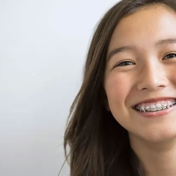




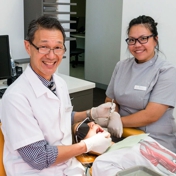

Our professional team, lead by Dr Edward Wong, works hard to create a friendly and caring environment.
E Orthodontics is a specialist orthodontic practice located in a custom designed specialist centre in Doncaster East. Our family operated practice led by Dr Edward Wong has been providing orthodontic care in a friendly and professional atmosphere for over 30 years. We focus on individualised treatment plans and strive to ensure that each patient receives the best possible care.
Wong Edward Dr is dedicated to providing children, teen and adult patients with the highest quality of orthodontic care to achieve straight teeth and beautiful smiles. We offer a comprehensive range of orthodontic treatment including early interceptive treatment, growth modification treatment, fixed braces including clear and invisible braces and clear aligners. We use state-of-the-art equipment in our practice so that we deliver the best results with minimal discomfort to all our patients.
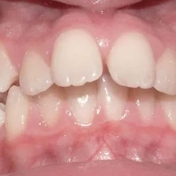
When your teeth are crowded, there is a lack of space to fit them comfortably in the arch. This can result in teeth rotating or being displaced from the arch or become impacted. Crowding can be caused by relatively large teeth or normal-sized teeth within small dental arches. It can also be caused by dental abnormalities e.g., extra teeth (supernumerary teeth), twin teeth etc. Possible ProblemsBesides the aesthetic appeal, crowding can make teeth cleaning more difficult. This can increase the risks of tooth decay, gingivitis and periodontal disease.
Although a large proportion of orthodontics is performed on teenagers, adult orthodontics is becoming popular due to the use of aesthetic appliances. When we age, the smile and face can change like the rest of our body. The front teeth can become more irregular and mild crowding can occur. Some adults may not have had the opportunity for orthodontic treatment during adolescent years. A large group of adult patients have severe jaw discrepancies. These patients have to wait until maturity before considering orthodontics and jaw surgery.
What is the best age to see an orthodontist?
A child should be assessed at 7 years of age for dental development, bite problems and jaw irregularities, e.g., impacted teeth, cross-bites, protruding upper teeth, prominent chin and thumb sucking habits. This provides the opportunity for early treatment which simplifies future treatment if required. Most children have comprehensive orthodontic treatment from 11 – 15 years of age. If there is any uncertainty, it is best to see an orthodontist earlier than later.
Do I need a referral to see an orthodontist?
A referral is not necessary. However, regular check-ups with your dentist are important before and during orthodontics.
What is a retainer?
A retainer is worn after braces are removed on completion of treatment. It can be fixed/bonded or removable, e.g., a plate. The suitability of each type of retainer needs to be assessed. A retainer guides teeth to settle into the ideal bite and maintains the teeth alignment. Lack of retainer wear can result in undesirable tooth movement.
Can adults have braces?
Adults certainly can have orthodontic treatment. They vary from minor alignments with clear braces or invisible aligners to more complex cases requiring a combination of orthodontics and jaw surgery.
Will treatment hurt?
Teeth can be slightly tender and feel bumpy for a short period, i.e., approximately three days after braces are adjusted or newly placed in the mouth.
What is the ideal age to start treatment?
The ideal age to start treatment again varies depending on the problem. E.G. Early treatment is usually 7 – 8 years of age. Comprehensive braces is usually 12 – 13 years of age.
Are self-tightening braces better than conventional braces?
They are both the most effective in tooth movement in the range of appliances today. Self-tightening braces have less friction and create quicker tooth movement. This reduces treatment time and visits for most patients. However, the suitability for each patient needs to be assessed.
What’s the difference between metal and clear braces?
They work in the same way. Clear braces are not as visible.
How long will treatment take?
Treatment duration varies according to type of treatment. E.G. Early treatment is usually 3 – 6 months. Comprehensive braces is usually 15 – 20 months.
What types of braces do you use?
We use conventional metal braces with colours, clear braces, self-tightening (Damon) braces and internal (Lingual) braces.