
Complementary & Traditional Chinese Medicine Clinic

15 Years
in Business


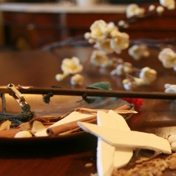
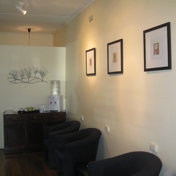

Our clinic provides Acupuncture (standard and cosmetic) Chinese Herbal Medicine and cupping within a safe and tranquil environment
All our practitioners are registered with the Chinese Medicine Board of Australia and reputable associations. We have HICAPS facility for those with Acupuncture cover.
Chinese Herbal Medicine and Acupuncture can support a number of conditions including musculoskeletal conditions, women's health concerns (eg. infertility, endometriosis, PCOS, menopause), gastrointestinal conditions, Mood disorders (including stress and anxiety). All our experienced practitioners are focused on making your visit comfortable and beneficial to your health. We provide a service that complements the busy lifestyle of today's society, with the aim of restoring the body's balance.
Does Acupuncture hurt?
Acupuncture should not be a painful experience. People have described it as a dull aching, pressure, pinching, tingling or heavy sensation. If you do feel discomfort, inform your practitioner immediately and they will adjust the needle accordingly. The needles are usually retained for 20 minutes.
How many sessions will I need?
Every case is different and depends on the nature and duration of the condition. On average it may take 3- 5 sessions but some conditions may take longer. As a rule of thumb depending on how long you have had the condition one month of weekly treatments is required, for example a chronic condition of 5 years may take 5 months of weekly sessions. Women related conditions usually take 3 months or 3 cycles.
What happens in a Chinese Medicine Consultation?
In the initial consult the practitioner will discuss with you your health concerns and history. In addition to this the practitioner may ask questions relating to your diet, your digestion, your lifestyle, emotional state, other pre-existing illness and your family’s medical history. For women, questions regarding your menstrual cycle and birth history will also be asked. The practitioner will also look at your tongue and feel your wrist pulse.