
Wanneroo Slashing Contractors

34 Years
in Business

1 Year with
Yellow Pages


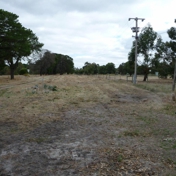
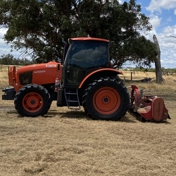
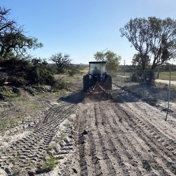
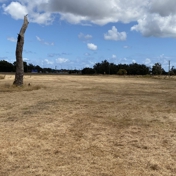
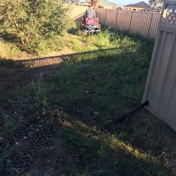

We do land clearing, slashing, firebreaks, rotary hoeing, block clearing, spreading of manure - limestone, lime & fertilizer.
Wanneroo Slashing was established prior to 1992 by Bernard Dell’Era, whom sadly past away in 2007. Then his wife Lina Dell’era and sons Geoffrey & Gregory Dell’era took over the business until the year 2017. Where now Gregory Dell’era has taken the business on by himself. To this day we still have many clients that thank us every year for looking after there property Firebreaks which they said that Wanneroo Slashing Contractors have been looking after there property for over 30 years.
Speciality We specialise in firebreaks, mulching, slashing, rotary hoeing, fertiliser spreading and transport for all types of commercial and residential properties, as well as additional services of tree lopping and brush cutting, Wanneroo Slashing Contractors are the preferred choice for hundreds of happy clients. Transport Wanneroo Slashing Contractors cater for transport for the agricultural and commercial industries in WA. With two 4x2 beaver tail Hino, a 4x2 flatbed Hino, as well as a 6x4 beaver tail Hino, needed machinery transport can be found at Wanneroo Slashing Contractors.
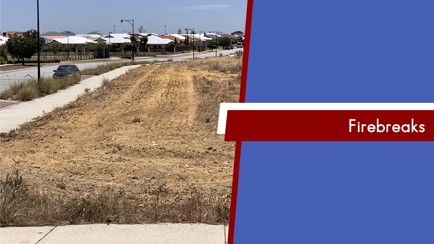
Wanneroo Slashing contractors are equipped to do Firebreaks, with our fleet of Trucks and Tractors with attachments. Most properties are completed with a Disc Plough attachment which chops up the vegetation and then turns the soil around, leaving a clean ploughed in section on top, then giving access to the Fire Brigade around your property boundaries. Wanneroo slashing contractors can fulfill all these services, at all locations North and South of the river on Residential, Broad hectares, Commercial and Agriculture properties.
Wanneroo Slashing Contractors are equipped with two 1.8-meter Extra Heavy-Duty Slashers, capable of mowing all kinds of vegetation on Commercial and Residential properties. Slashing can be used as an alternative to Disc Ploughing of firebreaks especially for new sub-divisions due to the presentation and the dust suppression control. Tractor And Machinery Transport Tractor transport and moving other machinery requires an experienced and skilled carrier who will ensure your equipment is delivered safely and on time. Get a free quote or contact us to discuss how we can help.
 Servicing All Perth Metro RegionQuality & Friendly Service
Can slashing help with bushfire risk management?
Absolutely. Slashing reduces vegetation that can fuel fires, helping to lower the overall risk to your property during bushfire season.
What types of vegetation can your slashing equipment handle?
Our equipment, including heavy-duty slashers, can handle a wide range of vegetation, from grass to small shrubs and trees on both residential and commercial properties.
What is slashing, and why is it important?
Slashing is the process of mowing or cutting down vegetation such as grass, shrubs, and small trees. It’s crucial for fire prevention, reducing fuel loads, maintaining clear access for emergency services, and complying with local regulations.
How often should I have my property slashed?
The frequency depends on the type of vegetation and local regulations. Typically, properties should be slashed annually or at least before the fire season to reduce fuel loads.
Which areas do you service?
We service all northern & southern suburbs.
Which properties do you service?
We service commercial, residential & agricultural properties.
What is your speciality?
We specialise in firebreaks, slashing, rotary hoeing, fertiliser spreading and transport for all types of commercial and residential properties, as well as additional services of tree lopping and brush cutting.
Are your slashing services compliant with local council fire regulations?
Yes, all our slashing services are designed to meet Shire requirements for firebreaks and land clearing, ensuring your property complies with local regulations.
Can slashing be used as an alternative to firebreak ploughing?
Yes, slashing is often used as an alternative to disc ploughing, especially in new subdivisions where appearance and dust control are important. It provides an effective way to manage fire risks.
Are you equipped to do firebreaks?
Yes, we are equipped to do firebreaks with our large fleet of tractors, trucks and attachments.
Do you have a website?
Yes, we do have a website. Please visit us at http://www.wannerooslashing.com/.
Do you provide slashing services for both residential and commercial properties?
Yes, we offer slashing services for both residential and commercial properties. No matter the size or type of land, we can handle it efficiently.
Is your slashing service available all year round?
Yes, we offer slashing services throughout the year, with a focus on preparing properties before fire season. However, availability may vary depending on weather conditions and workload.
Do you provide slashing services for large, broad hectare properties?
Yes, we specialise in slashing large properties, which is essential for reducing fire fuel loads and maintaining safety.
How can I contact Wanneroo Slashing Contractors by phone?
You can contact Wanneroo Slashing Contractors on (08) 6365 4246.
Where is Wanneroo Slashing Contractors located?
Wanneroo Slashing Contractors is located at 18 Spence Road, Pinjar, WA 6078.
How can I email Wanneroo Slashing Contractors?
You can email Wanneroo Slashing Contractors at [email protected].
Does Wanneroo Slashing Contractors have a website?
Yes. You can visit Wanneroo Slashing Contractors online at https://wannerooslashing.com.
What are the opening hours for Wanneroo Slashing Contractors?
The opening hours for Wanneroo Slashing Contractors are Mon - Fri: 7:00 am - 5:00 pm.
What type of business is Wanneroo Slashing Contractors?
Wanneroo Slashing Contractors is listed under Farmers, Excavation & Earthmoving Contractors, Farm & Agricultural Advisory Services, Slashing Contractors.
What payment methods does Wanneroo Slashing Contractors accept?
Wanneroo Slashing Contractors accepts check, invoicing available, cash.
Can I request a quote from Wanneroo Slashing Contractors?
Yes. You can request a quote from Wanneroo Slashing Contractors on this page.
Is Wanneroo Slashing Contractors on social media?
Yes. You can follow Wanneroo Slashing Contractors on Facebook.
Is Wanneroo Slashing Contractors locally owned?
Yes. Wanneroo Slashing Contractors is a locally owned business.